Deepavali Sweets and Snacks of Tamil Nadu: Athirasam, Murukku and the Full Palagaram Plate
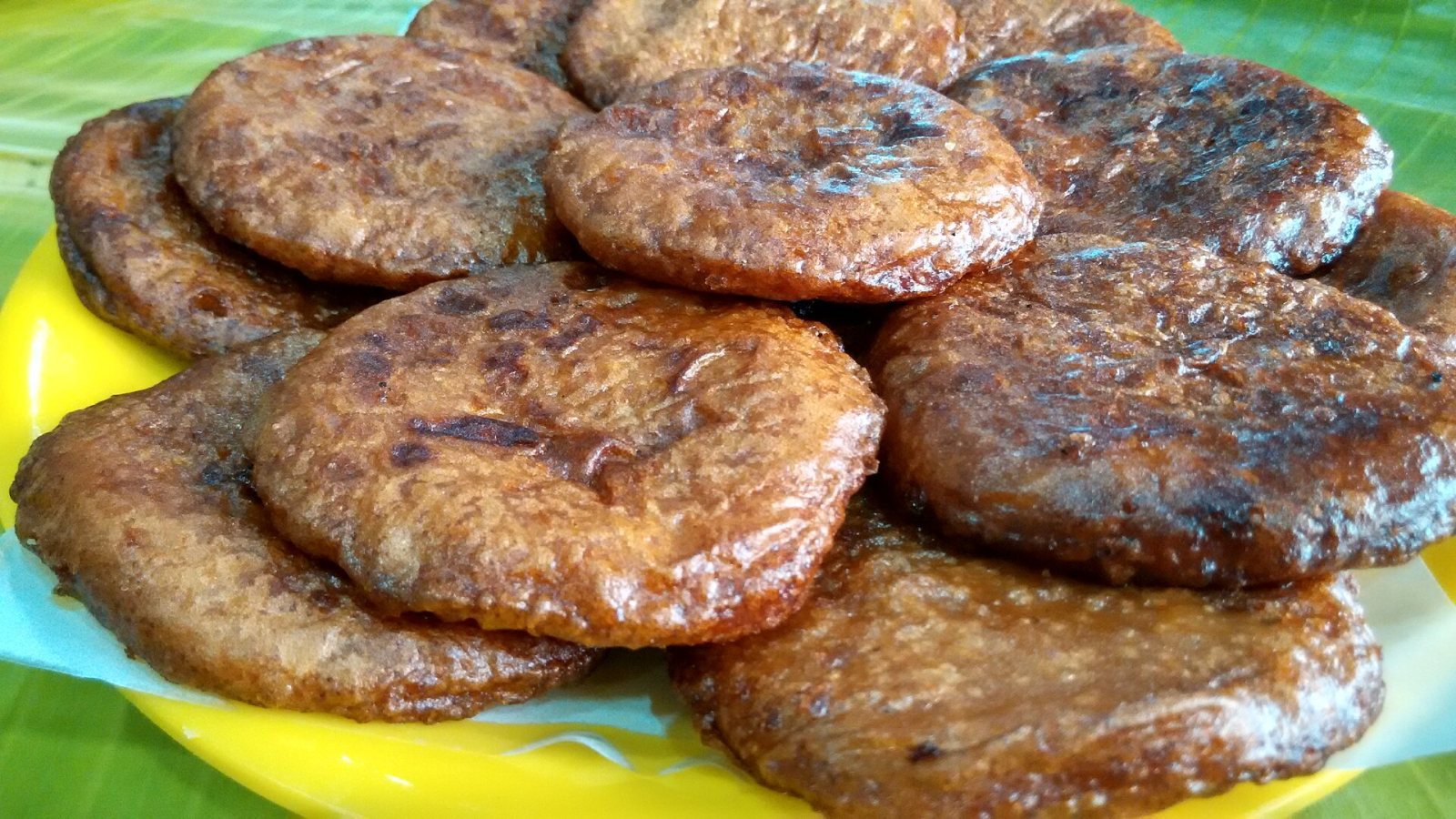
In most Tamil homes, the smell of hot oil arrives about a week before the festival. The murukku press comes down from the loft and someone starts soaking rice for athirasam. This guide covers the deepavali sweets and savouries of a traditional Tamil palagaram plate, with two full recipes and plain advice on storage and frying oil.
Why Tamil families still make deepavali sweets at home
Shops sell excellent snacks, yet many families still make a few items themselves. The palagaram is usually prepared in the days before the festival, offered at the family shrine and shared with relatives and neighbours on Deepavali morning. Making it together is part of the fun: one person kneads, another presses, a third watches the oil.
For the wider story of the day, from the dawn oil bath to Thalai Deepavali, read our guide to Deepavali traditions in Tamil Nadu. Here we stay in the kitchen.
The savouries: murukku and its cousins
The crunchy side of the plate is built on rice flour. Murukku comes from the Tamil word for "twisting", after its spiral shape. Small changes in the flour mix and the press plate give very different snacks.
- Thenkuzhal: a pale, smooth spiral pressed through a plate with small round holes. Rice flour, a little urad dal flour, cumin or sesame, asafoetida and salt.
- Kai murukku: twisted by hand from a stiffer dough into rope-like rings. It takes practice, and often only one person in the family has the knack.
- Mullu murukku: mullu means thorn. It is pressed through a star plate, and many recipes use roasted moong dal (sometimes chana dal) flour with the rice flour.
- Ribbon pakoda (ola pakoda): flat, thin strips from the ribbon plate. Rice flour with besan or roasted gram (pottukadalai) flour, chilli powder and sesame. Keep the dough soft or the ribbons break and turn hard.
- Omapodi: fine sev made mostly from besan, flavoured with omam (ajwain). Many cooks grind the ajwain with water, strain it and knead the dough with that water.
- Seedai: small balls of rice flour and urad dal flour, often with coconut and sesame. They are best known for Krishna Jayanthi but appear at Deepavali too.
A safety note on seedai: they can burst in hot oil. Sieve the flour well, roll the balls gently, let them dry on a cloth for a while and fry a small test batch first, with children well away from the stove.
The deepavali sweets on the plate
Athirasam
A thick, dark disc of fresh rice flour and jaggery syrup, deep-fried and pressed to remove oil. It is one of the oldest sweets in the region: 16th-century inscriptions from the time of the Vijayanagara emperor Krishnadevaraya describe it being made from rice flour, jaggery, ghee and pepper. The full recipe is below.
Ladoo
Rava ladoo (semolina roasted in ghee with sugar, cashews and raisins) and besan or boondi ladoo are the most common. Rava ladoo is a good first sweet for beginners, as it needs no syrup stage and no deep-frying.
Mysore pak
Made from besan, sugar and ghee, Mysore pak began in the palace kitchen of Mysore during the reign of Krishna Raja Wadiyar IV. The sugar syrup stage decides whether it turns out soft and fudgy or porous and crunchy, so watch it closely.
Badusha
The South Indian cousin of balushahi: a flaky, round sweet of maida with plenty of ghee or butter, fried and then soaked in sugar syrup. Fry on a low flame, or the outside browns while the centre stays raw.
Deepavali marundhu
Before the feasting, many families give everyone a spoon of Deepavali marundhu (lehiyam), a dark paste of dry ginger, pepper, cumin, coriander and other spices bound with jaggery and ghee. It is a kitchen tradition to prepare the stomach for a heavy day, not a medicine.
Recipe 1: Athirasam (about 20 pieces)
Athirasam needs fresh, slightly moist rice flour, so dry ready-made flour does not work well. Plan for at least one night of resting; many families rest the dough for 2 to 3 days.
- 1½ cups raw rice (pacharisi)
- 1 cup powdered jaggery
- ⅛ tsp cardamom powder and ⅛ tsp dry ginger powder
- 1 tbsp sesame seeds (optional)
- Ghee for your hands, a banana leaf, oil for deep-frying
- Wash the rice and soak it for about 3 hours. Drain and spread it on a cotton cloth for just a few minutes; it should still feel damp.
- Grind it in small batches to a fine flour and sieve it. Keep the flour covered so it does not dry out.
- Melt the jaggery in just enough water to cover it, strain out any grit and boil on a medium flame.
- Drop a little syrup into a bowl of water. Stop when it gathers into a soft ball you can pick up; do not cook it further.
- Turn off the heat, add the cardamom, dry ginger and sesame, and stir in the rice flour little by little to a thick, smooth dough.
- Cool, cover and rest the dough at room temperature overnight or for 2 to 3 days. It firms up as it rests.
- With greased hands, pat a lemon-sized ball into a thick disc on the greased leaf. Thin discs turn hard.
- Fry one at a time on a low flame, spooning oil over it so it puffs, then flip. Fry until deep golden brown.
- Press each one between two flat ladles to squeeze out the oil, then drain on paper.
If it goes wrong: athirasam that dissolves in the oil usually means overcooked syrup or too much jaggery. Hard ones mean the dough was too dry, the discs too thin or the oil too hot.
Recipe 2: Thenkuzhal murukku (about 20 pieces)
- 2 cups fine rice flour
- ½ cup urad dal flour (dry-roast urad dal on a low flame, cool, grind fine and sieve)
- 1 to 2 tbsp melted butter
- 1 tsp cumin or sesame, a pinch of asafoetida, about 1 tsp salt
- Water as needed, oil for frying
- Rub the flours, butter, cumin, asafoetida and salt together so the butter spreads evenly.
- Add water a little at a time and knead to a smooth, soft dough. Too stiff and it breaks in the press; too soft and it soaks up oil.
- Grease the murukku press, fit the round-hole plate and fill it.
- Press small spirals onto a greased ladle or sheet and pinch the end so each spiral holds.
- Fry in hot oil on a medium flame, turning once, until the sizzling calms and they are pale golden and crisp.
- Drain on paper and cool completely before storing.
Storing deepavali sweets and using frying oil safely
Cool everything fully before it goes into a tin, or trapped steam makes it soft. Keep savouries and sweets in separate airtight containers; murukku-type snacks usually stay crisp for about two weeks. Items made with jaggery, ghee or syrup keep for less time, so make them closer to the day and throw out anything that smells stale or rancid.
Festival frying uses a lot of oil. India's food regulator FSSAI advises against reusing oil for frying and sets a limit of 25% total polar compounds, beyond which oil must be discarded. You cannot measure that at home, so watch for the signs FSSAI lists:
- blue-grey smoke while heating
- thick foam that does not settle
- oil that has turned dark and murky or changed its consistency
For households, FSSAI suggests filtering used frying oil and using it for curries within a day or two, instead of frying in it again. Store it separately, never back in the fresh oil tin. To throw away a small amount, soak it up with sand, sawdust or paper and bin it; never pour it down the drain. See FSSAI's guidance note on used cooking oil.
Sharing deepavali sweets with neighbours
A plate of deepavali sweets carried next door is one of the nicest parts of the festival. In many streets the plates go out on the morning itself and come back filled with someone else's palagaram, so every house ends up tasting five kinds of murukku.
- Mention cashews, sesame or ghee for neighbours with allergies or dietary rules.
- Include a neighbour who lives alone or has just moved in.
- Pack savouries and sweets separately so the murukku stays crisp.
Curious how food changes across the state? See the famous foods of Tamil Nadu by region, then try the festivals and food quiz. Tamil readers can find the festival guide at தீபாவளி மரபுகள்.
Frequently asked questions
Which deepavali sweets are easiest for beginners?
Rava ladoo is the easiest, as it needs no syrup stage and no deep-frying. Among savouries, ribbon pakoda and omapodi are forgiving once you have a murukku press.
Can I use store-bought rice flour for athirasam?
Dry, ready-made flour usually gives poor results. Athirasam needs freshly ground flour from soaked rice that is still slightly moist. Store-bought rice flour works well for murukku and ribbon pakoda.
Why did my athirasam dissolve in the oil?
The jaggery syrup was most likely cooked past the soft-ball stage, or there was too much jaggery for the flour. Test the syrup in water and stop as soon as it forms a soft ball.
How long does home-made murukku stay fresh?
In a dry airtight container it usually stays crisp for about two weeks. Keep it away from steam and humid air, and store it apart from sweets.