Deepavali in Tamil Nadu: Oil Bath, Lehiyam, Thalai Deepavali and a Safe Celebration
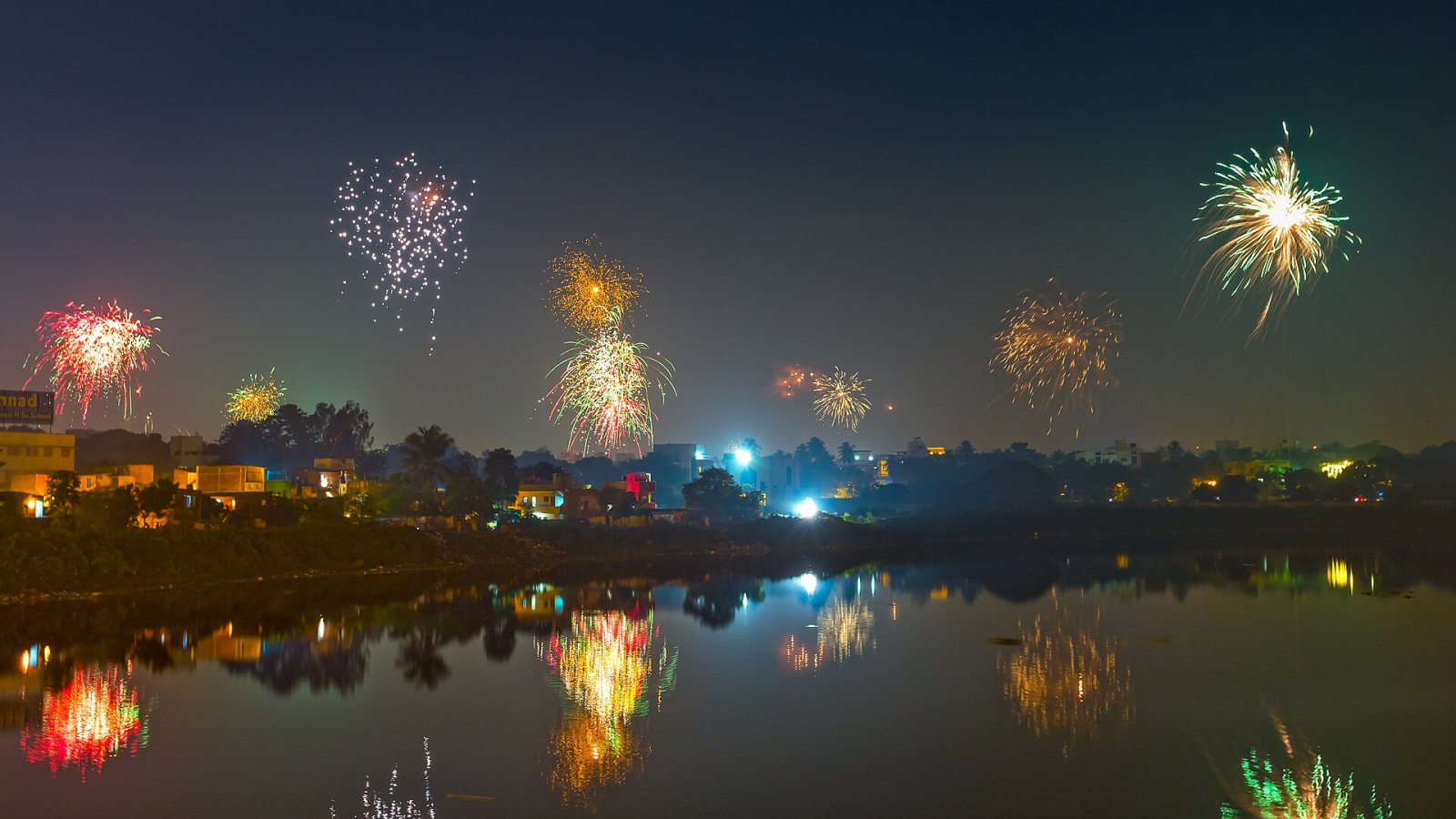
Ask anyone who grew up here and they will tell you that Deepavali in Tamil Nadu is a morning festival. The house wakes up in the dark, someone is heating oil on the stove, and the first crackers go off before the sky turns blue. This guide explains the story behind the day, the customs that make the Tamil celebration different from North India, and how to enjoy it safely with children, elders and pets at home.
Why Deepavali in Tamil Nadu falls on Naraka Chaturdashi
In much of North India, Diwali is a five-day festival. Its main night falls on Amavasya, the new moon, with Lakshmi puja, rows of lamps and the memory of Rama's return to Ayodhya. In Tamil Nadu the big day is traditionally the one before it, Naraka Chaturdashi, and the focus is on the early morning rather than the evening.
The story Tamil grandmothers tell is about Narakasura, a demon king who troubled gods and people alike. He was defeated by Krishna together with Satyabhama, and the day of his fall is remembered as a victory of light over darkness. Many families say Narakasura asked that his end be celebrated with lamps and joy, which is why the festival begins with a bath, new clothes and fireworks at dawn.
For 2026, the Tamil Nadu government's public holiday list gives Deepavali as Sunday, 8 November 2026. Because it falls on a Sunday, there is no extra weekday holiday for it this year. Schools and offices may announce their own plans, so check with them.
The oil bath and the "Ganga snanam" greeting
The heart of the Tamil Deepavali morning is the oil bath. Before sunrise, elders apply warm sesame oil (nallennai) to everyone's head and body. After a short wait, the oil is washed off with shikakai or a herbal bath powder and hot water.
Tradition says that on this morning, the water in every home carries the blessing of the Ganga. That is why older relatives greet each other with "Ganga snanam aachaa?", meaning "Have you had your Ganga bath?". Today most people simply say "Deepavali vazhthukkal" or "Happy Deepavali", but you will still hear the old question in many homes.
After the bath, children rush to wear their new clothes, which many families first place before the family deity. Then they touch the feet of elders for blessings, and only after that are the crackers brought out.
Deepavali marundhu, sweets and savouries
Before anyone touches a sweet, many Tamil households hand out a small spoon of Deepavali marundhu, also called Deepavali lehiyam. It is a dark, sticky home remedy made from dry ginger, pepper, long pepper, cumin, coriander and other spices, bound with jaggery and ghee. Every family has its own recipe. It is meant to prepare the stomach for a heavy day of eating, as a kitchen tradition rather than a medical treatment.
Then comes the palagaram, the snacks and sweets that have often been made over the previous week. Common ones include:
- Murukku and thenkuzhal: crunchy spirals pressed from rice flour and urad dal flour.
- Athirasam: a deep-fried sweet made from rice flour and jaggery, prepared in many Tamil homes for Deepavali.
- Ribbon pakoda, mixture and omapodi for the savoury plate.
- Mysore pak, laddu, badusha and gulab jamun on the sweet side.
- Plates of sweets shared with neighbours, house-help and friends, which is often the best part for children.
If you are curious how these snacks differ from district to district, our guide to famous foods of Tamil Nadu by region is a good next read. You can also test yourself with the festivals and food quiz.
Thalai Deepavali: the first Deepavali for newly-weds
One of the warmest customs of Deepavali in Tamil Nadu is Thalai Deepavali. "Thalai" means first, and it is the first Deepavali a couple celebrates after their wedding. Traditionally the couple spends it at the bride's family home.
The new son-in-law usually arrives the evening before. On the festival morning the couple takes the oil bath, wears the new clothes given by the bride's parents and seeks the blessings of elders. Many families also visit a temple together and end the day with a large lunch. The gifts, called seer, often include clothes, sweets and sometimes jewellery, but every family decides what feels right for them.
Crackers, Sivakasi and the timing rules
Crackers are part of Deepavali in Tamil Nadu, and most of them come from one place. Sivakasi, in Virudhunagar district, is the country's best-known centre for fireworks and safety matches, along with printing. The industry is a major employer in the region, and a large share of India's fireworks are made there.
Since 2018, Supreme Court orders on firecracker pollution have pushed the industry towards green crackers, which are designed to cause lower emissions and avoid banned chemicals such as barium salts. The court also left the exact hours for bursting to state governments.
In recent years, the Tamil Nadu government has allowed bursting only during set hours on Deepavali day. In 2025, for example, the permitted slots were 6 to 7 am and 7 to 8 pm, and the government asked people to avoid noisy series crackers and areas near hospitals, schools, courts, places of worship and thatched houses. The rules for 2026 may differ, so check the government announcement for this year before you plan.
A simple cracker safety checklist
- Buy from licensed shops only and keep the boxes away from the kitchen and any lamps.
- Wear cotton clothes. Loose synthetic dupattas and sarees catch fire easily.
- Keep a bucket of water and some sand nearby before you light anything.
- Use a long agarbatti to light crackers, and stand at arm's length.
- Never bend over a cracker that did not go off. Pour water on it and leave it.
- Children should always burst crackers with an adult watching.
- Choose an open space, not a narrow lane, terrace edge or parking area full of vehicles.
Looking after pets and elders on Deepavali
For dogs, cats and birds, the noise of Deepavali can be frightening. A few simple steps help a lot, and they are worth planning a day before.
- Keep pets indoors during the bursting hours, with doors and windows closed and a quiet corner to hide in.
- Make sure your dog wears a collar with your phone number, in case it runs off in panic.
- Never throw crackers near street dogs, and burst away from where they usually rest.
- Ask your vet in advance if your pet is very anxious with loud sounds.
Older people may also find the day hard. Loud bangs can disturb sleep, smoke can bother those with breathing problems, and a sudden noise can startle someone with a heart condition. Give elders a room away from the street, keep their regular medicines ready, and keep the celebration at home calm in the evening. It is also a kind gesture to check on elderly neighbours who live alone.
Quiet ways to spend the afternoon together
Once the morning rush is over and lunch is done, Deepavali afternoons are usually slow, with relatives at home and nowhere to go. It is a good time for board games. Traditional games such as Pallanguzhi and Paramapadham work well across generations, and children often enjoy a few rounds of Ludo with grandparents. Our list of fun brain games for family time has more ideas.
Deepavali is not the only Tamil festival of light. A few weeks later comes Karthigai Deepam, when homes are lined with clay lamps. And if you enjoy festival food and customs, read about Puthandu, the Tamil New Year, in April.
However your family celebrates, the spirit of Deepavali in Tamil Nadu is in the early bath, the shared plate of murukku and the blessings of elders. Happy Deepavali, and stay safe.
Frequently asked questions
When is Deepavali in 2026 in Tamil Nadu?
The Tamil Nadu government's 2026 holiday list gives Deepavali as Sunday, 8 November 2026.
Why is Deepavali celebrated in the morning in Tamil Nadu?
In Tamil Nadu the festival is traditionally observed on Naraka Chaturdashi, which marks the defeat of Narakasura. The main rituals, the oil bath, new clothes and the first crackers, happen before or around sunrise.
What does "Ganga snanam aachaa?" mean?
It means "Have you had your Ganga bath?". It refers to the Deepavali oil bath, which tradition treats as being as holy as a dip in the Ganga.
What is Thalai Deepavali?
It is the first Deepavali after a couple's wedding. Traditionally the couple celebrates it at the bride's family home, with new clothes, gifts and blessings from elders.
What are the cracker timings in Tamil Nadu for Deepavali?
In recent years the government has allowed bursting only during set hours on Deepavali day; in 2025 these were 6 to 7 am and 7 to 8 pm. Check the official announcement for this year, as the rules can change.