Chettinad Cuisine Guide: Spices, Famous Dishes and a Home Kuzhi Paniyaram Recipe
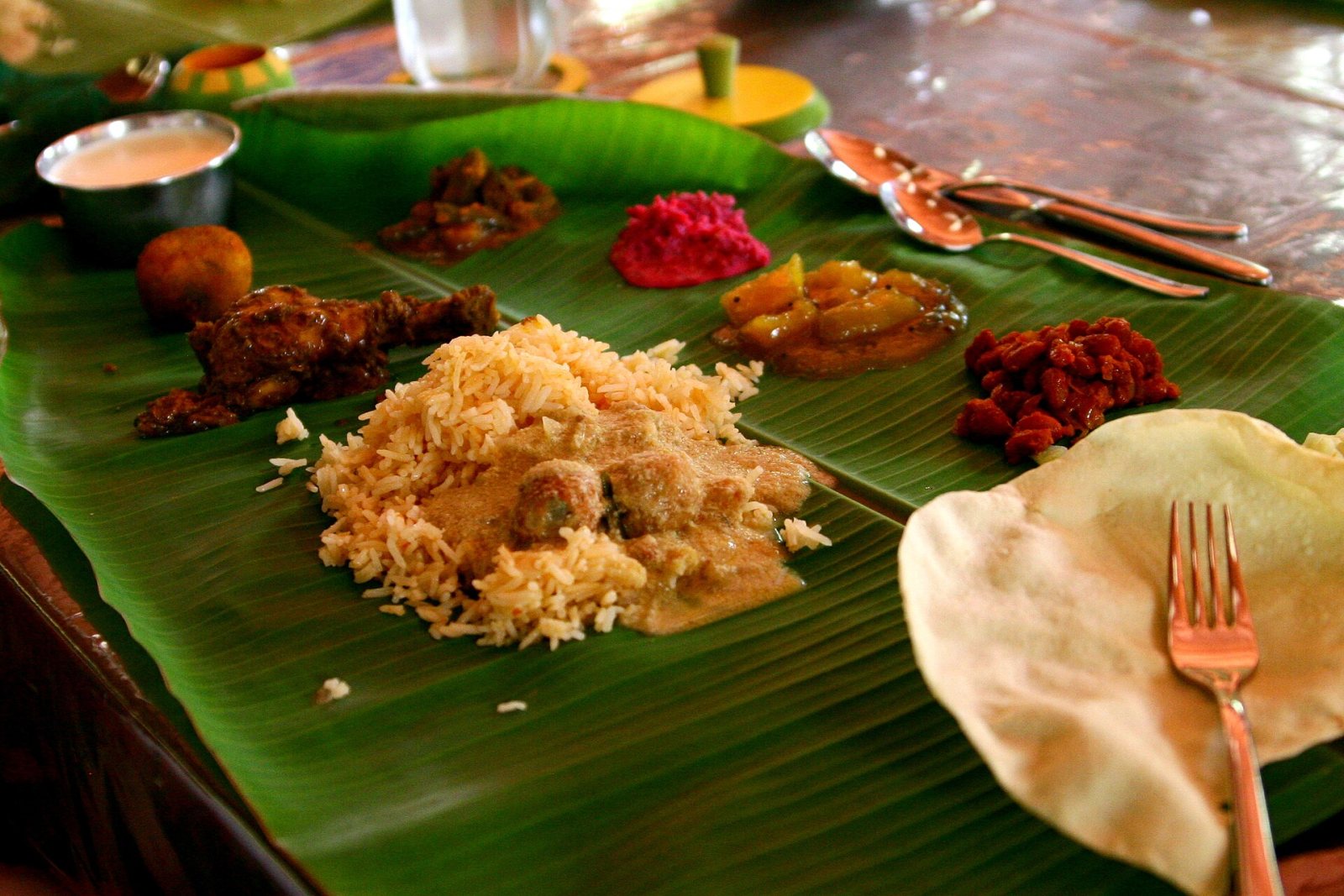
Ask anyone in Tamil Nadu to name the state's boldest food and many will say Chettinad cuisine. It is the home cooking of the Nagarathar (Nattukottai Chettiar) community, known for freshly ground masalas, deep pepper heat and a few spices you rarely meet elsewhere. This guide covers where it comes from, what goes into it, which dishes to try, and a simple kuzhi paniyaram you can make tonight.
Where Chettinad is
Chettinad is a cluster of villages in south-central Tamil Nadu, mostly in Sivaganga district with a smaller part in Pudukkottai district. Karaikudi is the main town and the natural base for visitors. The name joins Chettiar and nadu, so it simply means the land of the Chettiars.
The Nagarathars were traders and bankers who worked across Burma, Ceylon, Malaya and other parts of South-East Asia in the 19th and early 20th centuries. The money they brought home built the region's famous mansions with wide courtyards, Burma teak and Athangudi tiles. The same travels shaped the kitchen: ingredients and ideas from those ports found their way into local cooking.
The land itself is dry and semi-arid. That is one reason the community relied on sun-dried meats, salted and dried vegetables (vathal) and long-keeping snacks, all of which still feature in Chettinad homes.
The signature spices of Chettinad cuisine
Most Chettinad dishes start with a masala that is dry-roasted and ground fresh, not taken from a packet. Alongside everyday South Indian spices, three ingredients give the food its recognisable aroma.
- Kalpasi (black stone flower): a dried lichen that looks like grey-black flakes. It tastes of almost nothing raw, but when it hits hot oil or ghee it releases an earthy, smoky smell. Use only a small pinch.
- Marathi mokku: dark, dried flower buds about the size of a clove. Spice sellers usually describe them as the buds of the kapok (silk-cotton) tree. They add a woody depth to masala blends rather than a sharp flavour of their own.
- Star anise (anasipoo): the eight-pointed pod with a sweet, liquorice-like smell, often fried whole at the start of a curry or biryani.
- The supporting cast: black pepper (karu milagu), dried red chillies, fennel (sombu), cinnamon (pattai), cloves (lavangam), bay leaf, cumin, fenugreek and tamarind.
Freshness matters more than quantity here. A spoonful of pepper and fennel roasted until fragrant and ground with a little coconut tastes very different from a spoon of ready-made garam masala.
If you shop for kalpasi or marathi mokku outside Tamil Nadu, look in shops that stock South Indian spices. Buy small packs, keep them in an airtight jar and roast them gently; both burn quickly.
Famous Chettinad dishes worth trying
Meat and seafood
- Chicken Chettinad: the dish that made the region famous outside Tamil Nadu. Chicken is marinated in curd and turmeric, then cooked in a paste of red chillies, kalpasi, coconut, poppy seeds, coriander, cumin, fennel and black pepper.
- Mutton and goat dishes: goat and mutton are among the most common meats in the Chettinad kitchen, cooked as dry roasts, pepper fries and thick kuzhambu.
- Chettinad fish curry and prawn masala: tangy, tamarind-based gravies with a strong pepper and chilli kick.
- Chettinad egg curry: boiled eggs simmered in the same spicy masala base, a good entry point if mutton feels heavy.
Tiffin, sweets and snacks
- Paniyarams: the region is known for several kinds, including kuzhi paniyaram, vellai paniyaram (white, soft and lightly fried), karuppatti paniyaram (sweetened with palm jaggery) and paal paniyaram (soaked in sweetened coconut milk).
- Idiyappam and appam: served with stew-like kuzhambu or sweetened coconut milk.
- Kandharappam and seeyam: festive fried sweets; masala seeyam is the savoury version.
- Kavuni arisi: a sweet made with black rice, an ingredient linked to the community's history in Burma.
- Athirasam and maavurundai: jaggery-rice sweets and flour balls that keep well and travel well.
Chettinad is only one of Tamil Nadu's food regions. For the specialities of Madurai, Kongu Nadu, the coast and more, see our guide to the famous foods of Tamil Nadu by region.
Flavours carried home from abroad
Food writers often point to Burma as the strongest foreign influence on the Chettinad table. Dried prawns and dried fish used for flavour, and heirloom black rice (kavuni arisi) cooked as idiyappam, pongal and sweet pudding, are both linked to the years the community spent there. Penang, Saigon and Ceylon left their own traces in the spice box.
Vegetarian Chettinad food
Restaurant menus can give the impression that Chettinad cuisine is all chicken and mutton, but that is only half the picture. Food historians note that the Chettiars were traditionally vegetarian, and their feasts for family ceremonies remain vegetarian to this day. Meat dishes came in through trade and travel.
Good vegetarian choices include:
- Vegetable Chettinad, a mixed vegetable curry in the regional masala.
- Keerai mandi, a greens stew thickened with the cloudy water saved from washing rice.
- Chettinad urulai poriyal, spicy potato fry, sometimes with peas.
- Brinjal curry and drumstick sambar, everyday dishes in a Chettinad meal.
- Paniyarams, idiyappam, adai and appam for breakfast or evening tiffin.
- Payasam and paal paniyaram for something sweet.
Ordering at a restaurant? Ask for the dish "less spicy" if you are not used to heavy pepper. The flavour still comes through.
Home recipe: easy kuzhi paniyaram
Kuzhi paniyaram is the friendliest Chettinad dish to cook at home because it uses ordinary idli or dosa batter. The batter is cooked in a special pan with small round hollows (a paniyaram or appe pan), so each one comes out crisp outside and soft inside. This savoury version makes about 20 to 24 pieces.
Ingredients
- 2 cups thick idli or dosa batter (slightly sour batter, a day or two old, works best)
- 1 medium onion, finely chopped
- 1 or 2 green chillies, finely chopped
- A small piece of ginger, grated
- A sprig of curry leaves, chopped
- 2 tablespoons chopped coriander leaves
- 2 tablespoons grated coconut (optional)
- 1 teaspoon mustard seeds and 1 teaspoon urad dal for tempering
- Salt only if the batter needs it
- Gingelly (sesame) oil for the pan
Method
- Heat a teaspoon of oil in a small pan. Add the mustard seeds; when they splutter, add the urad dal and let it turn light golden.
- Add the onion, green chilli, ginger and curry leaves. Sauté for two to three minutes until the onion softens, then let the mixture cool slightly.
- Stir the tempering, coriander and coconut into the batter. It should be thick enough to drop from a spoon, not run off it. Taste and add salt if needed.
- Heat the paniyaram pan on a medium flame and add a few drops of oil to each hollow.
- Fill each hollow about three-quarters full. Cover and cook for two to three minutes until the base is golden and the top looks set.
- Turn each paniyaram over with a skewer or the pointed end of a spoon. Add a drop of oil if the pan looks dry and cook the other side for another two minutes.
- Lift them out when both sides are golden. Serve hot with coconut chutney, tomato chutney or a spicy kara chutney.
For a sweet version, leave out the onion and chilli and stir melted jaggery, a pinch of cardamom and a little grated coconut into the batter instead. Keep the flame lower, because jaggery browns fast.
Tips for eating Chettinad cuisine on a visit
- Karaikudi is the easiest base for food lovers. We suggest lunch as the best time to try a full Chettinad meal.
- Look out for local shops selling murukku, seeyam and athirasam, which pack well for the journey home.
- Pair spicy curries with plain rice and curd or buttermilk to balance the heat.
Think you know your Tamil dishes now? Try the festivals and food quiz, or read more about the region in the Wikipedia article on Chettinad cuisine.
Frequently asked questions
What makes Chettinad cuisine different from other Tamil food?
Freshly roasted and ground masalas, a strong use of black pepper and dried chillies, and less common spices such as kalpasi (black stone flower), marathi mokku and star anise.
Is all Chettinad food spicy and non-vegetarian?
No. The Chettiar community was traditionally vegetarian and its ceremonial feasts are still vegetarian. Paniyarams, idiyappam, keerai mandi and vegetable Chettinad are all mild to moderately spiced.
What is kalpasi in English?
Kalpasi is usually called black stone flower. It is a dried lichen that releases an earthy, smoky aroma when fried in oil or ghee.
Can I make kuzhi paniyaram without a special pan?
The round-hollow pan gives the classic shape and crisp shell. Without one you can cook small spoonfuls on a tawa like mini uthappams, but the texture will be different.